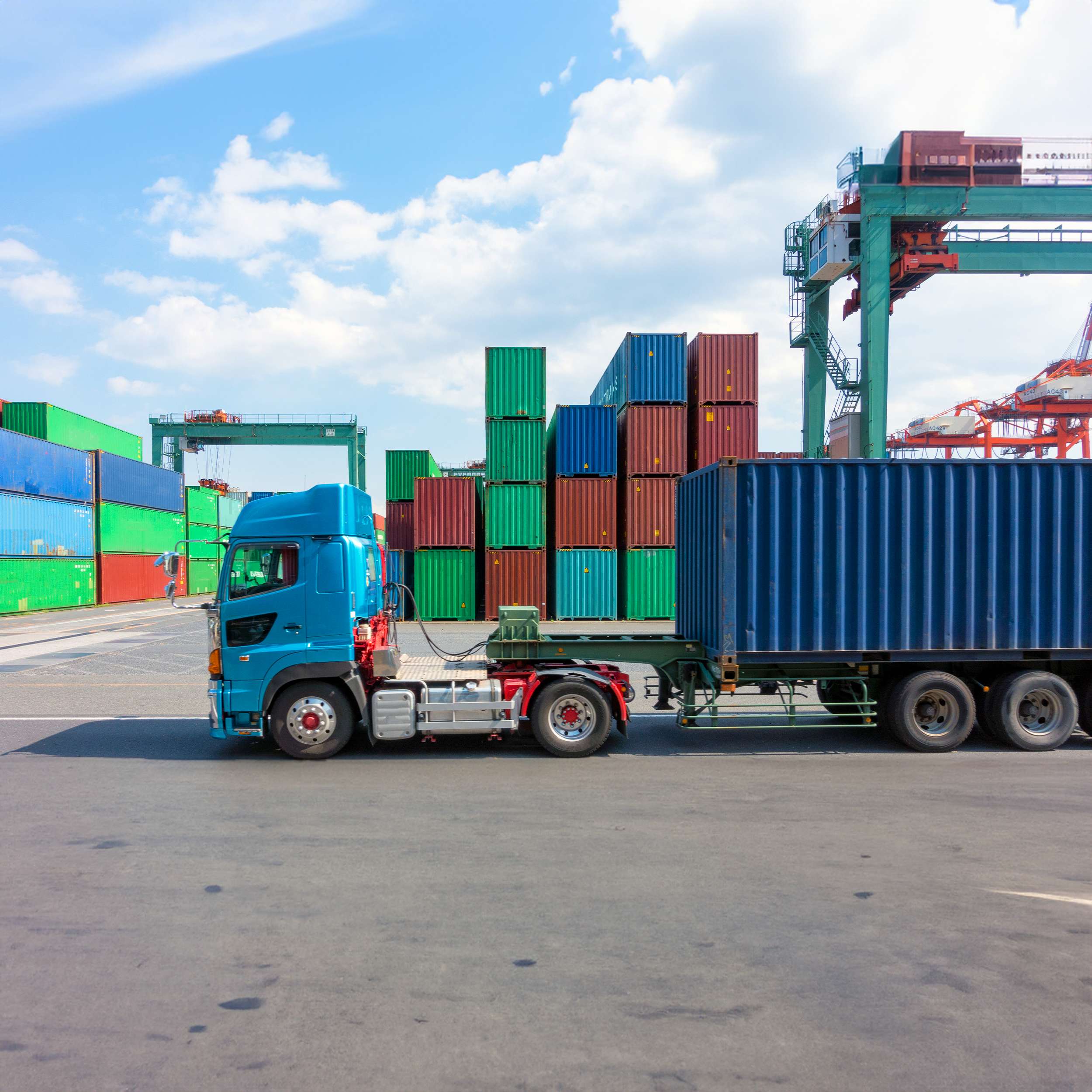
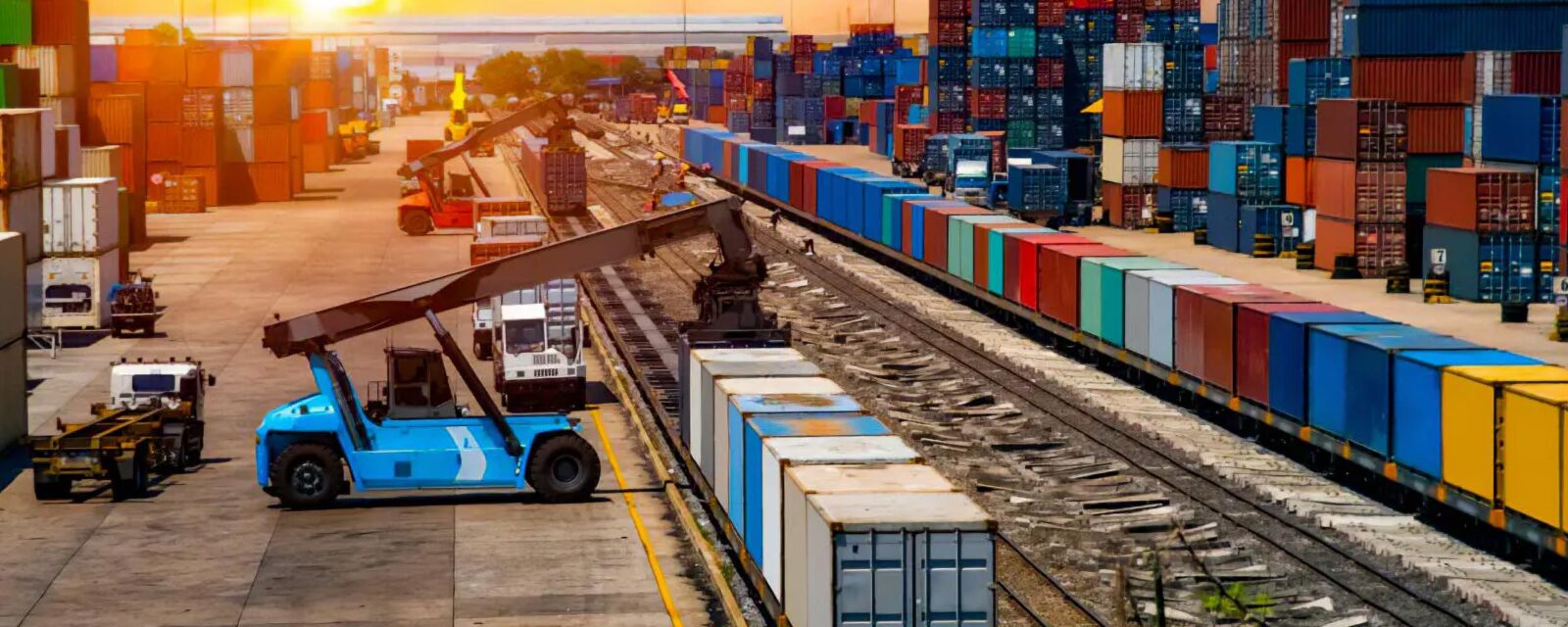
Intermodal transport is the movement of cargo in one load unit, such as a container, across two or more modes of transport. The unit moves between ship, rail and truck without the goods being unloaded. Each leg may be run by a different carrier.
Also known as: intermodal shipping, intermodal freight.
How Intermodal Transport Works
A container is loaded once at origin and stays sealed for the whole trip. A truck takes it to a rail ramp or port, a train or vessel carries it on the long leg, and another truck delivers it. Cranes and chassis transfer the unit between modes at each terminal.
Each leg can have its own carrier and contract, or one provider can book the whole route. The shipper or its forwarder still needs to coordinate cut-offs, free time and terminal appointments between the legs. One booking for all legs is simpler to manage but can cost more.
For example, a container of tractor parts loaded in Kansas City can travel by truck to a rail ramp and by rail to Los Angeles. It then sails to Melbourne and finishes by truck to the dealer’s yard. The machine itself can sail separately by RoRo and meet the container at destination.
Why Intermodal Matters for Heavy Equipment Shipping
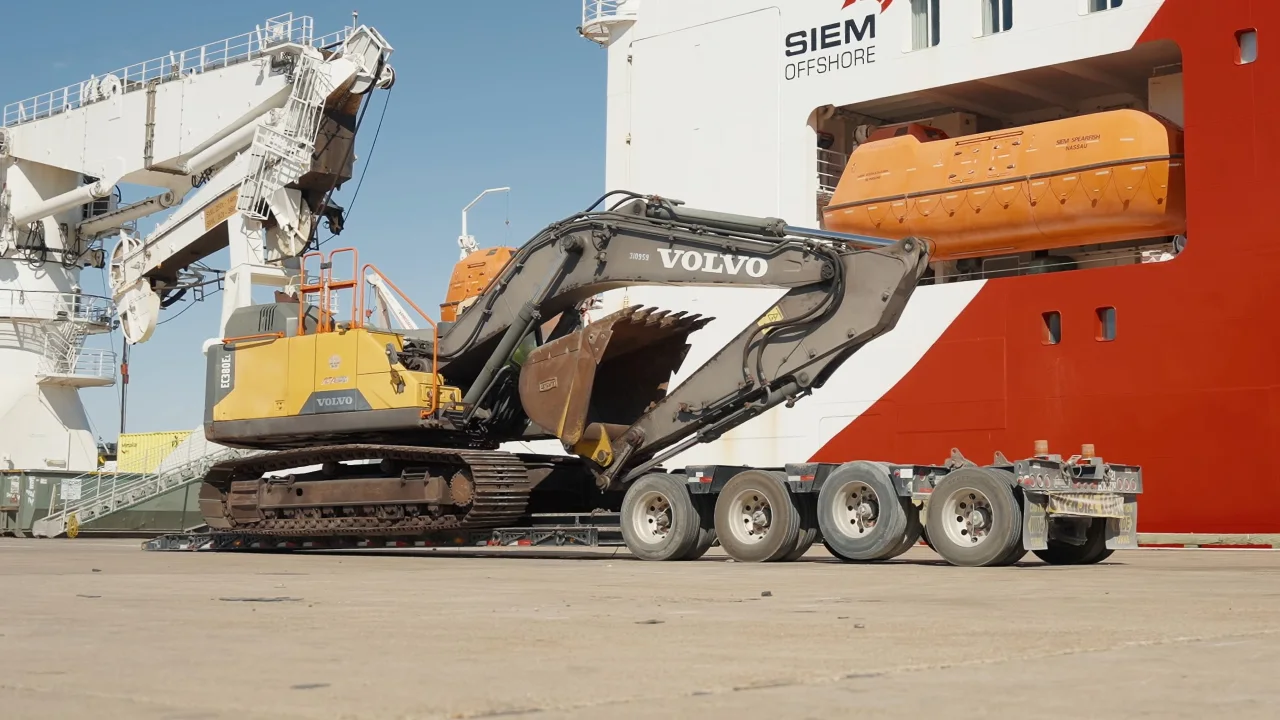
Intermodal rail works well for standard containers with parts, attachments and smaller machines. Oversized units often cannot use rail because of clearance and weight limits, so they move by truck to the port instead. The choice affects cost, transit time and how many times the cargo is handled.
Rail ramps also have their own cut-offs, free time and chassis rules. Missing one connection can push the container onto the next train and the next vessel.
Atlantic Project Cargo plans these routes through multimodal transportation and books port moves with its drayage service.
| Leg | Typical mode for equipment |
|---|---|
| First mile | Truck, lowboy or step deck to the rail ramp or port. |
| Inland long haul | Rail for containers, truck for oversized machines. |
| Ocean | Container ship, RoRo or breakbulk vessel. |
| Last mile | Truck or drayage from the port to the site. |
| Transfers | Cranes or side loaders at rail ramps and ports. |
Common Mistakes
- Assuming an oversized machine can move by rail like a standard container.
- Not checking the container’s free time before the rail leg starts.
- Booking the inland leg without matching it to the vessel cut-off.
- Missing chassis availability at the rail ramp or terminal.
- Not counting the extra handling at each transfer point.
FAQ
Need to move cargo from an inland site to an overseas port? Get a quote for the full intermodal route.